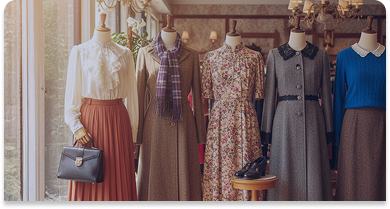
Once upon a time, the word “luxury” brought to mind only custom-made handbags, limited-edition watches, or storefronts with red carpets rolled out for clients. Today, however, we see a significantly different picture.
After experiencing record growth over the past five years, the luxury sector contracted in 2024 for the first time in a long period. Even more striking is that 80% of this previous growth was driven by price increases—meaning consumers were actually paying more for the exact same products. But now, the cards are being reshuffled: luxury is transforming from just “an acquired product” into “an experienced feeling.”
The Rise of Experiential Luxury
In the post-pandemic world, changing overall consumption habits have prompted consumers to question their definition of luxury. Studies show that 71% of high-income individuals are allocating more budget to their homes, while 64% are spending more on travel and hospitality. In short, “luxury” is no longer confined to display windows; it is found in wellness lifestyles, the journeys taken, and the memories collected.
Today, concrete examples of this transformation abound, such as the Ritz-Carlton yacht collections that offer far more than just a hotel room, or Equinox’s $40,000 program that turns health and lifestyle into the ultimate status symbol. Brands are no longer treating their customers merely as buyers, but as active participants in an experience.
The Powerful Surge of the Resale Market
Simultaneously, a quiet revolution is unfolding in the pre-owned segment. Consumers are increasingly turning to secondhand items in the luxury tier. Resale is no longer just an “alternative”; it is at the very core of market growth.
- The global secondhand market is expected to reach $480 billion by 2025 and $1 trillion by 2034.
- In Turkey, the market size reached $1.63 billion by 2024 and is projected to hit $2.93 billion by 2029.
- The global secondhand apparel and accessories market is anticipated to surpass $250 billion by 2025; this means approximately 10% of total apparel expenditures will flow through secondhand channels.In the luxury apparel category, 38% of consumers prefer pre-owned luxury brands.High-value accessories, particularly shoes and handbags, sit at the center of this growth.
Initiatives like Beymen Reborn, along with the sustainable fashion steps taken by Mudo Re:Life or Damat Tween, demonstrate that Turkey is an active part of this global shift. Department stores like Harrods leverage a digitalized shopping experience to offer customers extra loyalty points, exclusive discounts, and club memberships in the secondhand segment. Similarly, Selfridges is expanding its “Resellfridges” platform, enabling the in-store and online sale and trade-in of pre-owned bags and shoes. This platform prioritizes authenticity verification, product trade-ins, and rapid sales.
Furthermore, brands are investing heavily in digital verification and blockchain-based identity solutions to combat counterfeiting. Platforms like Fashionphile utilize these technologies to verify product authenticity swiftly. Today, owning a pre-owned handbag is no longer viewed by consumers as merely an economic choice; it stands out as a conscious, sustainable, and even prestigious decision.
Gen Z and Millennials, driven by sustainability awareness, are leading the shift toward pre-owned luxury goods. As resale platforms grow by around 10–15% annually, secondhand items are now positioned right alongside new season products as a “sustainable extension of fashion.”
Rental and Circular Models
Alongside resale, rental options are also on the rise. Globally, the online clothing rental market reached a value of $6.2 billion in 2023 and is projected to grow by 11% annually through 2027. Fueled by an increased awareness of sustainability and reduced consumption, consumers gravitate toward more rational and economical choices.
Rental models offer three common value propositions:
- More economical
- More sustainable
- More flexible
In essence, luxury is becoming far more accessible.
The Big Picture
The next three years will be critical for the luxury sector. Growth will no longer be driven by price hikes, but by volume. This means that strategies failing to put the customer at the center will not achieve long-term success.
The winning brands will be those that provide authentic and trustworthy products, deliver unparalleled experiences to consumers, and establish sustainable business models. Because today, luxury is no longer just a product you acquire—it is a journey you are promised.